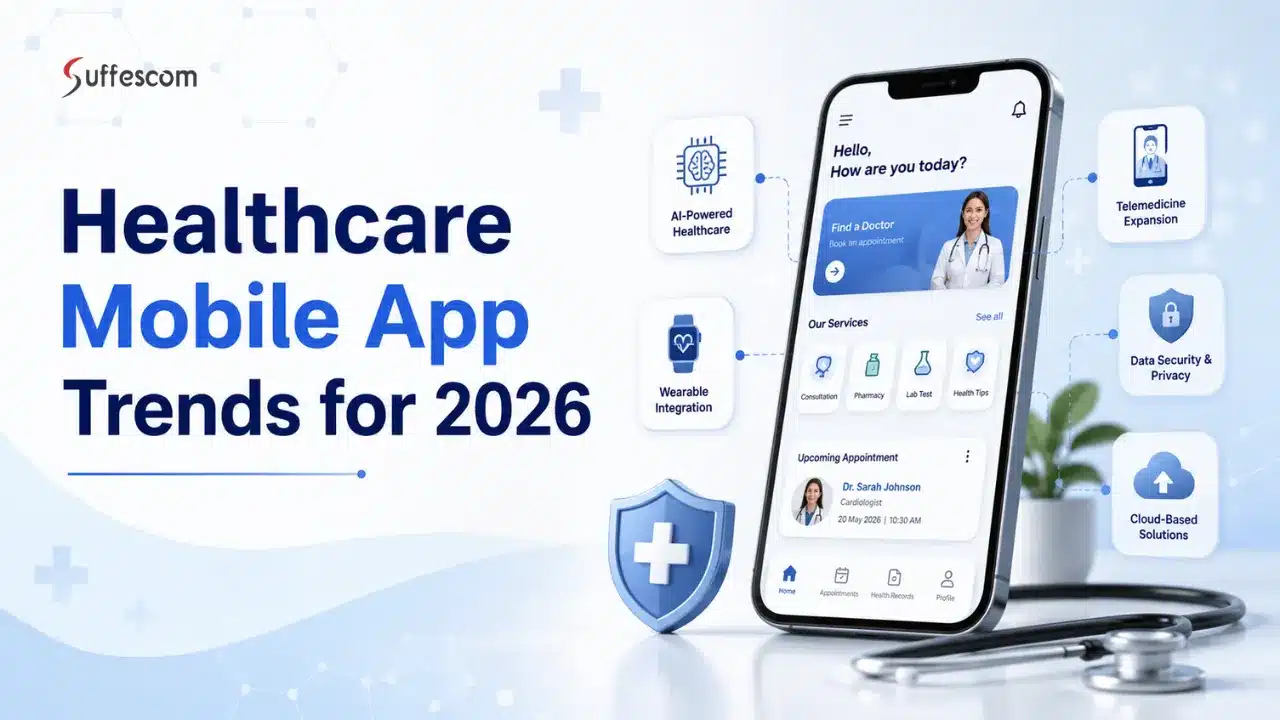
Key Takeaways
- Intelligent assistants, predictive analytics, and personalised patient experience are all changing the world of healthcare applications thanks to AI.
- Telemedicine and remote patient monitoring are increasing accessibility to healthcare and decreasing the burden on healthcare systems.
- Wearables and data analytics are providing means of proactive, preventive and personalised care.
- Interoperability, security and UK GDPR compliance are still very important when it comes to developing trusted healthcare applications.
- Generative AI is improving clinical workflows through automation of documentation and administration.
- By investing in digital health now, the healthcare business is positioning itself for the future.
Healthcare has been experiencing a major digital transformation. The NHS in the UK has become quite advanced with digital technology, and millions of people use the NHS App to order repeat prescriptions, make appointments, check health records and access all kinds of health services. Artificial Intelligence, wearable tech and the rise of remote patient monitoring and virtual care are revolutionising the way that people access care and changing its format, making it easier to personalise and get data-based results.
It’s the creation of a connected digital healthcare world that gives patients more control over their health and helps health professionals improve outcomes and clinical services.
As 2026 fast approaches, digital healthcare apps have evolved further than booking and fitness-tracking and now, through innovative intelligent AI tools and advanced remote health monitoring apps and connected devices that can give accurate real-time updates, providers are able to offer patients care more proactively. However, it’s not enough to be innovators as there is a great deal to manage as health organisations in the UK need to adhere to privacy rules for personal data, cyber security, data privacy and the regulation governing interoperability. What we cover in this healthcare mobile app guide is what’s next for mobile health apps in the UK for 2026, what technologies will drive change and where there is opportunity for NHS organisations, private healthcare operators, start-ups and digital innovators.
The Current State of Healthcare Mobile Apps in 2026
It’s only been a decade, but the smartphone healthcare app landscape has dramatically transformed from being a simple means to check appointments and track workouts to becoming a fundamental piece of health service delivery. In fact, it’s now expected by UK patients to easily access and consume healthcare from their phones. Healthcare professionals and organisations have also embraced the opportunities Mobile Technology and Apps have provided in order to drive efficiency and improve operational effectiveness, patient engagement, and proactive care for patients. This rise is down to the uptake of Digital Health Technologies and the increased adoption of connected devices, coupled with continued investment in NHS digital transformation.
Today, healthcare apps are being used to connect the dots with services such as virtual clinics, Remote Patient Monitoring and ongoing health condition management.
There’s no way the Mobile App can replace clinical services entirely, but by putting power in patients’ hands, we’re driving more seamless and continuous access to more continuous and personal care models. More connected digital health ecosystems are appearing where these Apps are connecting patients, clinicians, pharmacies, laboratories, and wearable technologies to deliver truly connected and seamless patient care.
How Mobile Healthcare Apps Are Changing Patient Experiences
Healthcare apps improve a patient’s journey through the healthcare system to make the patient’s healthcare experience seamless, personalised, and more responsible. Mobile apps empower individuals with more personalised care through the healthcare experience rather than requiring the patient’s physical presence or phone calls and provide them with on-demand interaction with their healthcare provider. Here is a look at some key benefits:
- With speedy access to care, patients no longer have to see their doctors just to make appointments, order repeat prescriptions, view their test results or collect their results. A fast connection also provides faster appointments. Quicker communication, quick exchanges between patient and caregiver occur thanks to the availability of private and secure messaging systems, the availability of remote consulting and AI-assisted virtual advisors.
- Strong patient engagement, the availability of health alerts, a tailored health strategy and ongoing performance tracing will enhance the chances that patients adhere to their treatments and manage their long-term health.
- Enhanced self-monitoring mobile applications assist chronically ill persons in managing their condition through the registration of signs, medical tests, education modules and tips.
These capabilities empower healthcare organisations to provide a frictionless digital patient experience whilst decreasing administrative overheads and boosting clinical efficiency.
Growth of the UK Healthcare App Market
The market for healthcare mobile app development in the United Kingdom is growing, with governments and organisations investing in this as part of their core healthcare strategy. Governments want to make the NHS more efficient; digital health is being invested in more; and patients want easy and immediate access to health. All these are fueling the growth of mobile healthcare applications.
More smartphones, more reliable internet access, and increasing patient confidence in the ability to use telehealth, cloud and digital solutions are boosting the impact of mobile health in all of the healthcare industries.
Electronic health, artificial intelligence, connected devices and cloud platforms are also improving access to care and the quality of data. The table below outlines some of the major reasons driving the UK market for mobile health apps.
| Market Factor | Impact on Healthcare Mobile Apps |
| Smartphone adoption | Expands access to healthcare services anytime and anywhere |
| Artificial intelligence | Enables smarter diagnosis support, automation, and personalised care |
| Remote patient monitoring | Reduces unnecessary hospital visits through continuous health tracking |
| Digital health records | Improves coordination between healthcare providers and enhances continuity of care |
In the future, these technologies are expected to make healthcare apps even smarter, more interoperable, and more patient-focused, aligning with the UK’s long-term vision of a connected healthcare system.
Stay ahead of your competitors with the latest healthcare mobile app trends.
Top Healthcare Mobile App Trends for 2026
The era of healthcare is shifting, with a greater emphasis being placed on intelligent mobile applications as a digital healthcare platform rather than a tool on its own. Thanks to a surge in wearable technology, AI, cloud computing, and interconnected medical devices, physicians and hospitals can now begin to adopt personalised healthcare with preventative and personalised approaches. Also, to the delight of patients, mobile health has also expanded to create an environment where care is now more readily accessible, private and more.
Today, there is a growing importance for healthcare businesses to embrace technology to further improve the health outcomes of the people, cut down on operating costs and provide an efficient service. For an ongoing process, the healthcare app industry is bound to change dramatically in the coming years. Take a look at the mobile health trends for 2026 and beyond.
AI-Powered Healthcare Apps and Intelligent Patient Assistance
AI is the latest in healthcare app development. Not just about making processes digital, but about allowing apps to sift through health data, handle simple, repetitive tasks, and provide personal support to patients and healthcare professionals alike. Examples include:
- AI symptom checkers help you determine the probable health conditions you may have.
- Virtual health assistants can respond to queries and manage appointments and medication reminders.
- Predictive analytics using medical histories, wearable data and lifestyle habits to predict the user’s potential risks.
- Personalised recommendations based on conditions and daily lifestyles.
The WHO suggests that responsible use of artificial intelligence could lead to advancements in service delivery, increased health system resilience, and greater access to high-quality healthcare. Furthermore, NHS England itself has made investments in AI tools for diagnosis, operations and patient care that are already benefiting a wide range of trusts and initiatives.
Remote Patient Monitoring and Virtual Care Expansion
Remote patient monitoring (RPM) and virtual care have become two essential foundations of the healthcare industry in 2026. Through telemedicine applications, wearable devices, medical sensors, and cloud-stored health data, healthcare providers will be able to continuously monitor patients’ conditions, regardless of where they are. The primary benefit of remote patient monitoring is its applicability to the management of chronic diseases, post-surgical recovery, and unnecessary hospital visits.
Due to the fast development of virtual care, new requirements have emerged for patients. At present, patients are waiting to consult healthcare professionals via telemedicine applications, to provide their health data via mobile applications, and to receive consultations remotely without hospital visits. Remote patient monitoring offers a great opportunity for healthcare professionals to enhance continuity of care and identify health problems at an early stage.
Among the factors leading to this trend are:
- Remote consultations: Through telehealth software applications, it is possible for patients to consult with physicians, nurses, and specialists via video, voice, and messaging communication.
- Disease monitoring: The use of RPM tools in monitoring patients suffering from diseases like diabetes, hypertension, heart disease, and respiratory ailments.
- Connected medical devices: Wearable, sensor-based, and other home medical equipment that automatically transfer patient data to healthcare providers for review and evaluation.
- Technology for home health: Mobile health solutions make it easy for patients to access healthcare services from home.
See the table below for more details.
| Technology | Healthcare Impact |
| Wearables | Real-time health tracking and early detection of abnormalities |
| IoT medical devices | Continuous monitoring of vital signs and chronic conditions |
| Telehealth apps | Secure remote consultations and follow-up care |
Remote patient monitoring has become highly significant for the healthcare system, which is experiencing an increased demand and pressure on the workforce. Through early intervention and prevention of unnecessary hospitalisations, RPM can contribute to better patient outcomes while making healthcare provision more sustainable at the same time.
Digital health technologies, including telemedicine and remote monitoring, have the potential to increase accessibility to healthcare services, to make healthcare systems more efficient, and also to introduce patient-centric models of healthcare provision. The increasing maturity of these technologies means that remote monitoring apps will eventually become a standard feature of future healthcare mobile applications.
Wearable Technology Integration in Healthcare Apps
With wearable technology, there are new ways for the collection, analysis, and response to health data through health applications. Devices such as smartwatches, fitness bands, ECG monitors, smart rings, and CGMs provide real-time and daily information on one’s well-being, making it possible for both providers and patients to change the approach to health care from reactive to proactive. The data could then be used in health applications for giving providers deeper insight into patients’ general state of well-being, to take a proactive approach when a problem emerges due to one’s vital signs, measure the intervention’s success rate, and provide higher-quality care. Also, patients would become more active participants in their health care as they see the impact of their behaviour on their well-being.
- Real-Time monitoring of health status: Monitoring of vital signs including heart rate, SpO2, blood pressure, body temperature, sleeping pattern, and physical activity.
- Chronic Disease management: Remote monitoring of chronic diseases,s including cardiovascular diseases, diabetes, asthma, hypertension, COPD, etc.
- Preventive medicine: Detecting risk factors or early stages of disease and alerting patients or doctors.
- Recovery care: Remote monitoring of patients following their surgery or hospital discharge to make sure that they recover as planned or to intervene where necessary.
- Personalised Medicine: Personal advice and health counselling to assist patients in the treatment of chronic diseases and in adopting healthy lifestyles.
The increasing adoption of wearable technology amongst consumers has brought about further development within preventive health care. Rather than wait until the individual is feeling unwell to look at trends in the longer term, it is possible through health apps for the person to pick up any issues early on and ensure treatment is sought before symptoms arise. It is an obvious progression towards the provision of value-based patient-focused care, whereby prevention and monitoring alongside curing are key.
The advantages for the provider in terms of using wearable technology within a health app include:
- An opportunity to encourage greater patient participation through continuous monitoring.
- Availability of more comprehensive health information to help make decisions.
- Early detection of possible health issues.
- Decrease in hospital readmissions due to continuous remote monitoring of health and illness.
- Improvement in condition management when away from the healthcare environment.
With greater sophistication in the technology available, it follows that its potential within the health and digital landscape in the UK will grow. Those companies that recognise this opportunity within the wearable technology and connected health space will be well placed to provide true personalised and evidence-based health care in a demanding marketplace.
Personalized Healthcare Apps Using Data Analytics
No longer the traditional one-size-fits-all way of viewing your health. The modern approach is data-driven and personal, not one-size-fits-all. AI and Machine Learning, wearables, and EHR data are all used by modern health apps to analyse large datasets of patient health data and offer personal advice based on your history, your habits, and your desired health outcome. More than just logging your data, apps today look into patient health data and can predict patterns and risk factors for disease and then propose actions at the opportune moment to better support caregivers’ health decisions while at the same time empowering the patient with their own health status and plan of care. These cases that personalised health apps currently support are :
- Personalise patient insights from your past medical records, demographics, and real-time patient data.
- Provide recommendations on healthy habits such as nutrition, activity, sleep, relaxation, stress management and disease prevention.
- Predict potential risk factors through analysis by an AI algorithm on a set of health risks that might need further medical examination.
- Improve ongoing management of chronic disease by adjusting plans based on patient outcomes and patient progression.
- Support medicine adherence through automated alerts and monitoring of medicine compliance.
These are exceptionally useful functions in the management of patients with chronic conditions, such as diabetes, cardiovascular disease, obesity, and respiratory conditions, where continuous monitoring and personalised plans can play an important role.
Please find a table that summarises some examples of how these data types are utilised in current applications:
| Data Type | How Healthcare Apps Use It |
| Heart rate | Detect irregularities, monitor cardiac health, and support early intervention |
| Sleep data | Analyze sleep patterns and provide recommendations to improve overall wellbeing |
| Activity data | Track physical activity, encourage healthier habits, and support preventive care. |
Mental Health and Wellness Mobile Apps Growth
The mental health and wellness industry has been one of the leading areas for remote healthcare innovation, with a growing number of mental health and wellness mobile apps gaining popularity across the UK. Heightened awareness of mental wellness and a rising demand for remote healthcare have resulted in greater integration of digital tools and mobile applications in delivering ongoing, personalised care in support of mental wellbeing and supplementing the services that healthcare providers offer. The role of digital mental health is to supplement the services offered by mental health professionals and aid in enhancing early intervention, long-term treatment support and promoting ongoing patient involvement. The majority of present-day mobile apps for mental health provide such things as:
- Evidence-based therapeutic tools in a structured and interactive manner through digital therapy programs.
- Mindfulness and meditation techniques to help relax, relieve stress and anxiety, and enhance wellbeing.
- Tools that track your mood and symptoms and help you provide information to your healthcare professional.
- Tools to aid in journaling and reflection and to help build self-awareness and coping mechanisms.
- AI assistants to help you along with tips and guidance on mental health.
These platforms are becoming more integrated with artificial intelligence, or AI, which studies patterns and self-reported patient information in order to deliver personalised suggestions and help identify early markers of mental health decline.
However, as helpful as it can be, AI cannot replace the professional, and when it comes to higher-risk mental health conditions, such as major depression, the guidance of a licensed professional will be necessary.
Benefits of digital health companies and providers funding and pursuing the development of mental health apps include:
- Reaching out to marginalised populations with few other options for accessing mental health care.
- Offering the opportunities for early intervention with a focus on continued, self-administered monitoring
- Expanding access through personalising the experience of engagement programs to an individual user’s needs.
- Setting the stage for the hybrid approach, integrating remote and onsite therapies; Removing several obstacles in the way of care, such as time, transportation, and scheduling.
- As awareness of mental health has escalated, both clinically and legislatively, we can assume digital well-being solutions will take on a larger role in preventive medicine and chronic care management.
If mobile application design for health embraces mental health solutions, developers have the opportunity to design applications offering truly patient-centric, holistic care, targeting both physical and psychological health.
Blockchain-Based Healthcare Data Security
With a huge quantity of sensitive information being accumulated and exchanged by healthcare providers, data security has emerged as one of the main pain points in the sphere of digital health. Mobile health applications should protect sensitive patient information from being exposed to cyber criminals and adhere to rigorous UK regulations, including UK GDPR and NHS standards for data security. This has raised the bar on blockchain technology as a tool that is emerging to deal with sensitive healthcare data in an accurate and transparent manner.
In a typical database, information is stored centrally, while blockchain utilises a shared, decentralised database to register a variety of transactions among nodes.
Since each entry has its integrity cryptographically ensured and is linked to the prior record, changing or removing information is next to impossible. Data security: mobile healthcare applications will incorporate blockchain technology in an effort to:
- Secure your Electronic Health Records (EHR): Safely record patient records, prevent tampering. Patients control data sharing: Give individuals control over the sharing of their health information. More control over one’s own health data.
- Improve interoperability: Facilitate safe exchange of data among hospitals, physicians, labs, pharmacies and insurance companies without compromising private information.
- Improve consent management: Track who approved the sharing and treatment of your health data clearly and transparently. Strengthen your medicine’s traceability: Trace your medicine all the way from manufacturing to the pharmacy, reducing the counterfeit drugs and ensuring safety.
Blockchain is powerful but can’t substitute for sound cybersecurity practices. Blockchain does provide enhanced security, but it is no silver bullet. It is crucial that healthcare institutions continue to adhere to standard security measures, such as end-to-end encryption, multi-factor authentication (MFA), secure cloud solutions, and ongoing audits and compliance. As blockchain adoption gains traction in the health space, it is also poised to improve trust by providing individuals with unprecedented insight into their data and its movement.
The ever-expanding healthcare landscape through AI, IoT wearable devices, telemedicine apps and electronic medical records has created the need for this enhanced transparency.
While it may be some time before a majority of organisations adopt this technology, blockchain healthcare applications can enhance security, simplify information sharing and meet compliance demands. For health and healthcare app developers preparing for 2026 and the future of digital care, focusing on developing securely, prioritising privacy, and ultimately establishing trust are essential for long-term success.
Voice Technology and Conversational Healthcare Assistants
The presence of voice technology is increasingly enhancing the intuition, accessibility and efficiency of healthcare applications on mobile. Backed by rapid advances in speech recognition, natural language processing (NLP) and generative AI, conversational healthcare assistants enable users to connect with the services of a health organisation simply using their voice or text input. In lieu of trying to work out a complex menu of options, patients can just have natural conversations asking about a particular condition or asking for advice about their symptoms, booking appointments, obtaining medication reminders or searching for health information.
One area that particularly benefits from this movement toward voice is the use of apps for health accessibility. Elderly people, the blind and partially sighted and those who have low digital literacy often find using voice interfaces easier than standard mobile apps. This has a direct bearing on making health applications more inclusive by making the user experience simpler and overcoming any barriers to engagement. Common examples of how voice technology can be incorporated into healthcare applications include:
- Appointment scheduling: Individuals can book, reschedule, or cancel appointments via vocal input.
- Medicine reminders: Individuals will be reminded about their medicines on time, and whether or not they have taken them.
- Health information and FAQ section: Patients will be able to pose queries regarding their symptoms, treatments, or follow-up instructions.
- Symptom logging: Individuals will be able to log their symptoms, levels of pain, and other health information orally.
- Facility for disabled individuals: The facility of voice navigation makes healthcare facilities more accessible to people who may suffer from certain physical conditions.
Ready to add these features to your healthcare app?
Emerging Healthcare Mobile App Features Businesses Should Consider in 2026
Given the ongoing evolution of patient expectations, mobile applications used by healthcare organisations require far more than just the digitisation of their existing offerings. Today’s healthcare application is supposed to be intelligent, interconnected, and secure, providing users with improved clinical results and a simplified interaction experience with both patients and healthcare specialists.
Regardless of whether you build a patient app, a telemedicine application, or an enterprise health product, certain features can have a direct impact on its adoption rate and success. Even though the exact feature requirements may depend on the particular use case, there are a few features that have become quite common in next-gen healthcare applications.
See the table below that shows important features of healthcare apps in 2026.
| Feature | Business Benefit |
| AI chatbot | Provides 24/7 patient support, answers common queries, and reduces administrative workload. |
| Appointment booking | Simplifies scheduling, minimizes missed appointments, and improves patient accessibility. |
| Digital prescriptions | Enables faster prescription management, improves convenience, and reduces paperwork. |
| Wearable integration | Supports continuous health monitoring by synchronizing data from connected devices. |
| Secure messaging | Facilitates encrypted communication between patients and healthcare professionals while protecting sensitive health information. |
How Healthcare Mobile Apps Are Supporting NHS Digital Transformation
Transforming digitally is a key priority within the UK healthcare system, and there is increased importance of mobile apps as far as the accessibility, efficiency and patient-centricity of the provided services are concerned. With NHS England continuing to develop its capabilities of transforming healthcare delivery services, mobile apps are being used to allow the provision of services digitally, as well as to facilitate clinicians in streamlining their work processes.
The healthcare mobile apps do not operate independently, but become part of a broader digital ecosystem, which encompasses patients, healthcare providers, hospitals, pharmacies, laboratories and electronic health record (EHR) systems.
Digital Healthcare Adoption Across UK Healthcare Systems
Within the United Kingdom, there is an ongoing trend of adopting a digital-first approach among healthcare service providers. Mobile applications currently offer a variety of healthcare-related services, including appointment scheduling, repeat prescription requests, video consultations, accessing medical records, and remote patient monitoring.
One of the most evident manifestations of such changes is the NHS app, which currently serves as a key gateway for accessing NHS services via a mobile application. This proves how mobile technology can facilitate patient experience while decreasing stress within healthcare services.
Mobile applications have facilitated NHS digital transformation through:
- Self-service by patients: Patients’ ability to organise their appointments, medication orders, vaccination history, and health information independently without reaching out to healthcare professionals.
- Care delivery via digital means: Facilitating access to virtual consultations, triage, and health evaluations online.
- Enhanced care coordination: Integration of patient information from different healthcare settings for better clinical decision-making.
- Remote patient monitoring: Assisting healthcare professionals in tracking long-term patients’ status remotely by using connected devices and mobile applications.
- Patient engagement: Motivating people to get involved in the process of managing their health status.
Benefits of Healthcare Mobile Apps for Patients and Providers
These mobile applications offer unique value to all stakeholders along the patient care pathway: Benefits for Patients, Doctors and other Healthcare professionals. Mobile health applications bring benefits to patients by offering convenient, accessible and personalised care. Healthcare professionals gain efficiency through simplified workflows, reduced administration, and the use of data to support better clinical decision-making. As digital health spreads across the UK, mobile applications will enable a shift from the current approach of reactive, episodic health care to proactive, ongoing health management.
By linking patients with care providers on secure digital platforms, mobile apps facilitate improved engagement and promote treatment compliance and positive health outcomes.
The table below lists the main advantages offered to both parties.
| Benefits for Patients | Benefits for Healthcare Providers |
| Easy access to appointments, prescriptions, and medical records | Improved operational efficiency through workflow automation |
| Better health tracking using wearable devices and remote monitoring tools | Reduced administrative workload with digital scheduling and patient management |
| Faster communication with doctors through secure messaging and virtual consultations | More informed clinical decision-making using real-time patient data |
| Personalised health insights, reminders, and wellness recommendations | Enhanced patient engagement and treatment adherence |
| Greater convenience through remote healthcare services and self-service features | Lower healthcare costs by reducing unnecessary hospital visits and improving resource allocation |
Challenges and Considerations for Healthcare App Development in 2026
Although there is no doubt about the benefits associated with mobile apps for healthcare, such as improving quality of care and improving efficiency, it can certainly be said that developing a safe and user-friendly medical app is definitely a more challenging task than a regular application. The real difficulty in medical app development stems from overcoming regulations and HIPAA compliance, securing personal user information, allowing equal access to all, and fitting into the established system of healthcare.
Healthcare Data Privacy and GDPR Compliance
Given that arguably among the most personal information that can exist in any system lies in the application software, data privacy and security are essential. In the UK, organisations that build healthcare apps have legal obligations under UK GDPR and the Data Protection Act 2018. If an app is interacting with the NHS, then it’s also virtually certain to be subject to a range of requirements, including the NHS Data Security and Protection Toolkit (DSPT) and Digital Technology Assessment Criteria (DTAC).
In order to protect your patients’ data and remain within the lines, all healthcare apps should ensure that they use end-to-end encryption.
In order to protect the data both during its transfer and while it is stored, end-to-end encryption should always be implemented. The ability to apply multi-factor authentication (MFA). This will protect user accounts from unwanted access, allowing only authenticated users through. The implementation of role-based access control (RBAC).
In this way, it will be possible to manage which employees or users are able to access specific and sensitive patient data.
It’s important to offer robust consent management. Through this function, patients will be able to choose how their data is used and if/when to revoke or approve access. By routinely testing, it will be possible to fix any system vulnerabilities before they’re discovered and exploitable.
A firm security framework will go a long way towards generating both trust in the legal space and the actual individuals who are using the technology. Patients are often more ready to accept mobile healthcare devices if they know their health and personal information will be handled with care.
User Experience Challenges in Healthcare Applications
Even a sophisticated medical app is bound to fail if it isn’t easy to use. Because patients, healthcare professionals and caregivers will all have differing needs, abilities, accessibility concerns and digital literacy levels, UX will play a central role in deciding the success or failure of any medical app. To help them design winning apps, organisations should be focusing on:
- Accessibility: Ensure that your app complies with accessibility standards by using screen readers, adjustable font sizes, high-contrast display and voice controls where relevant.
- Simple to use: Key health information, including sensitive data, is clearly presented, easy to understand and is delivered using a few steps, allowing for quick execution of primary functions.
- Accessible by design: Elderly people and those with a disability or lower digital literacy have also been taken into consideration in ensuring your healthcare service is accessible.
- Simple English: Use simple, straightforward language and visual tools, enabling users to book appointments, get prescriptions, manage their conditions, etc.
- Fast loading: Load times are reduced to allow your service to perform on mobile networks with limited capacity and older devices.
Healthcare Mobile App Monetization Strategies for 2026
As the mobile health market grows, organisations are searching for the optimal model to leverage their app beyond patient engagement to build predictable revenue streams. This strategy varies depending on whether the app is targeting patients, subject to regulations or whether it delivers value for both consumers and the broader healthcare system. Subscription-based is a popular model for patient-centric apps.
Many enterprise-facing apps generate revenue through licenses, SaaS and long-term agreements.
Selecting a model early during the development stage facilitates sustainable growth and helps the app meet user demand.
Subscription-Based Healthcare App Models
A common pricing approach in monetising mobile healthcare apps is the subscription model, which is the most predictable monetisation strategy out there. Businesses offer continued access to premium content and functionality, individual health services or digital wellness plans for a fixed monthly or annual price. Examples of what can be offered for subscriptions are:
- Premium Health Monitoring – Beyond the basics. Detailed health data, personalised reports and AI-powered insights on all aspects of your wellbeing.
- Virtual Consultations – Get unlimited or subsidised calls to physicians, specialists, therapists and nutritionists with an integrated telehealth service.
- Digital Wellness Subscriptions – Gain exclusive access to mental health apps, tailored fitness regimes, meditation resources, sleep aids, life coaching and more.
- Chronic Disease Support – Receive ongoing assistance, automated medication reminders and remote monitoring for ongoing health conditions.
- Family Plans – Share your health membership with your family under a single account.
Healthcare apps that operate using a subscription model must demonstrate value to keep customers happy with continuous feature updates, recommendations that cater to users’ individual needs, and seamless app usability. Customers should also know the price is right – not only in dollar amount, but also that it conforms to healthcare advertising rules and regulations.
B2B Healthcare App Solutions for Hospitals and Clinics
Most healthcare apps are intended for consumers. But digital health companies are generating much higher-value revenue by selling products and services to large enterprises, such as hospitals, clinics, diagnostic centres, insurers and provider networks. B2B healthcare apps aren’t marketed to individual patients; instead, they offer features that improve efficiency, workflows and patient care management for the enterprise.
Some popular enterprise healthcare apps are:
- Software platforms for managing hospitals or clinics, including charting, patient management, scheduling, and more.
- Provider (doctor, physician) dashboards for clinical staff. Patient management and engagement systems, e.g., patient portals.
- Remote patient monitoring systems for long-term illness care.
- Online platforms and software for telemedicine among doctors and their patients.
- Apps to improve patient-provider communication and care coordination.
The table below illustrates the top healthcare app business models.
| Business Model | Suitable For |
| B2C Apps | Patient-facing healthcare, wellness, fitness, and telemedicine applications |
| B2B Apps | Hospitals, clinics, diagnostic centres, insurers, and healthcare organisations |
| B2B2C Apps | Healthcare networks, employers, insurance providers, and partner ecosystems serving end users |
Let’s build a healthcare app that stands out in a competitive market.
Role of Generative AI in the Future of Healthcare Mobile Apps
Generative AI is expanding what is possible in healthcare mobile apps. In contrast to prior forms of AI that were used for data analysis and pattern identification, generative AI understands human language, can generate responses that sound human-like, can condense detailed medical reports into readily understandable summaries, and can support a number of clinical and administrative activities. It’s the foundation of a smarter, more efficient, and more individualised digital healthcare.
And for providers, that translates to a smaller administrative load, increased efficiency, and a more engaged patient population, and for patients, it translates to access to more personalised advice and more responsive digital care when they need it.
However, the adoption of these technologies must be guided by strong policies to manage the risks and ensure that information accuracy, data privacy, and patient safety remain central.
AI Medical Assistants and Automated Healthcare Support
It’s interesting to see how AI assistants are being introduced into modern healthcare mobile applications to assist both patients and healthcare professionals. Virtual assistants can comprehend user requests, pull relevant data, perform redundant functions automatically and tailor suggestions by assessing personal medical histories along with up-to-the-minute health statistics.
The following are a number of invaluable applications:
- Patient support: The use of intelligent assistants to reply to frequently asked questions, interpret and explain patient treatment and share knowledge-based healthcare advice with individuals.
- Appointment management: Individuals are capable of scheduling appointments, receiving reminders and coordinating follow-up meetings through interaction with an AI agent.
- Clinical documentation: Creating reports of patient visits, composing clinical notes, thus minimising administrative efforts by doctors and healthcare practitioners.
- Medication management: Sending medication alerts to users and helping individuals to comply with the dosage regimens.
- Workflow automation: Assisting the patient intake process, patient triage and management of patient referral networks, in addition to numerous other administrative procedures.
Through workflow automation of laborious processes, AI medical assistants can free up health providers so that more time is spent on patient care, and the operation runs more smoothly. It simultaneously gives patients quicker answers and convenience, along with healthcare support day or night.
Ethical Considerations of AI Healthcare Apps
Generative AI, although promising, also raises ethical and regulatory issues. Decisions made in healthcare directly impact patient safety, so it is vital that AI technology assist, not replace, trained healthcare professionals.
The following points should be considered by the healthcare organisations creating AI-driven applications:
- Human intervention: Clinicians should have the opportunity to review the algorithm’s recommendations before making decisions about diagnosing or treating patients.
- Mitigating bias: Train AI algorithms on representative, diverse datasets to reduce inaccuracies and biases across patient demographics.
- Data protection: Process personal health information safely in accordance with the UK GDPR and other rules for the protection of patient data.
- Transparency: Inform users if they interact with AI and how the recommendations are created.
- Clinical validation: Rigorously validate all AI features by using evidence-based methods.
Future Predictions for Healthcare Mobile Apps Beyond 2026
1. AI-Powered Personalised Medicine
With increasingly sophisticated advancements in AI, in the future, the healthcare apps will use a combination of your genome sequence, lifestyle, and electronic medical records (EMR) to tailor care and treatments. Instead of following standard care guidelines or pathways, doctors will have the ability to develop treatment plans that suit each patient’s health history.
2. Smart Hospitals and Connected Health Ecosystem
Healthcare mobile apps will play a crucial role in connecting smart hospitals to patients and their providers. By connecting seamlessly with the electronic medical records (EHR), smart hospital management systems, connected devices, and other hospital IT infrastructure, you will get seamless sharing of health information and a more connected approach to health.
3. Predictive Health and Preventive Care
With the help of predictive analytics, healthcare systems will be able to identify future health risks at the earliest. Analysing a patient’s behaviour, past health records and health metrics on wearable devices will ensure that they can predict Chronic Disease conditions earlier. This is expected to lead to reduced healthcare costs and prevent hospital visits.
4. Autonomous Digital Health Assistants
Generative AI will enable further development of autonomous digital health assistants that will help with many everyday health tasks on their own. Future health app features could include scheduling doctor appointments, follow-up care management, understanding complicated treatment plans, helping in monitoring your recovery, and providing proactive notifications to patients or healthcare professionals if health data raises concerns. It will still remain essential that a clinical mind is involved in the final decision of treatment and diagnosis.
5. Increased Interoperability of Healthcare Systems
With the adoption of standards such as HL7 FHIR across healthcare institutions, information sharing will be more standardised. This means a health app can share relevant information seamlessly across hospitals, general practitioners’ (GPs) offices, labs, pharmacies and insurers, eliminating fragmented records and connecting care providers.
6. Rise of Digital Therapeutics (DTx)
Digital therapeutics, or DTx, are designed to deliver clinically validated interventions to prevent, treat, or manage a medical condition using software-based programs. As these types of therapies continue to mature, future healthcare mobile apps could integrate prescribed digital therapies for conditions like diabetes, anxiety, insomnia, and heart conditions.
How Businesses Can Build Future-Ready Healthcare Mobile Apps
Whether you’re a healthcare provider, startup, or digital health company, following a structured development approach can reduce project risks and improve long-term adoption.
1. Understand User Needs Before Development
It is impossible to develop any successful healthcare app without knowing its users well. Every patient, physician, caregiver, and administrator has their own workflow and requirements. User research, stakeholder interviews, and market analysis would reveal the difficulties in order to make sure that the application will address some healthcare issues, not just automate the current workflow.
Some questions that need to be answered are the following:
- What issues will the app solve?
- Who will use it regularly?
- How will it benefit the patient or increase efficiency?
- Which healthcare services must be addressed first?
2. Prioritise Security and Regulatory Compliance
Applications dealing with patient data need to consider the highly confidential nature of such data, thus ensuring security is key as opposed to being an additional element. In business, applications need to be developed with the consideration of security in each development phase.
This may include:
- UK GDPR compliance.
- Compliance with the Data Protection Act 2018.
- Use of multi-factor authentication (MFA).
- End-to-end encryption of all stored and transmitted data.
- Penetration testing and security assessment.
- NHS standards compliance, if applicable.
Not only will it ensure compliance, but it will also make patients more trusting of the application.
3. Integrate AI Responsibly
Artificial intelligence could help in diagnosing patients, automate processes, offer a personalised experience to customers and become more efficient. Still, artificial intelligence should assist clinicians in making decisions but not substitute for them.
When deploying features of AI, organisations should do the following:
- Deploy clinically validated models of AI whenever needed.
- Provide transparency in AI recommendations.
- Have people oversee medical decisions.
- Monitor AI performance to reduce bias and inaccuracies.
It is vital to have responsible governance of AI.
4. Design for Accessibility and Usability
Healthcare applications are designed with diverse users in mind, ranging from those who have low digital skills to the elderly and disabled people. An application with an easy-to-use interface is more likely to be used and causes less frustration on the side of the user.
Examples of good design practices include:
- Clear navigation and predictable user flow.
- Readability and clear contrast in typography.
- Compatibility with screen readers and voice input.
- Use of simple language with no jargon.
- Optimisation for speed and performance.
5. Build for Scalability and Interoperability
Continuous changes are taking place in the evolution of healthcare technology; hence, the mobile application needs to be scalable. Using a scalable architecture will help organisations implement new features, accommodate more users, and incorporate new technologies without the need to rewrite the entire application.
The future-proofed healthcare application should include:
- Integrations with Electronic Health Record (EHR).
- Interoperability using HL7 FHIR standards.
- Connections with wearables.
- Telemedicine features.
- Cloud architecture.
- AI analytics and remote patient monitoring.
A modular API-first architecture facilitates integration with other healthcare systems.
6. Continuously Monitor, Improve, and Innovate
Developing a healthcare app is just the first step in the process. Monitoring plays an important role for businesses, as it helps them track their performance, gather user feedback, enhance security, and add new features as patients’ needs change.
Some examples of KPIs may be:
- User engagement and retention.
- Appointment booking success rate.
- Patient satisfaction.
- Workflow improvement.
- App performance.
- Security incidents.
Ready to build the next generation of healthcare mobile apps?
Conclusion
Healthcare apps have become a revolutionary means for providing healthcare services. With the rapid evolution of technological solutions such as artificial intelligence, wearable devices, telemedicine, and remote patient monitoring, digital health apps are expected to play an increasingly important role in improving the state of affairs in the field.
It is vital for healthcare providers, healthcare startups, and digital health companies to keep up with these trends to meet the evolving needs of patients and support the digitalisation of the UK. Nonetheless, success in this field requires designing reliable, compliant, and patient-focused applications.
Are you planning to create a healthcare mobile app? Our Healthcare app development professionals can provide you with the expertise and support you need. Contact us today to learn how to create an effective digital health solution for your company.
FAQs
1. What are the biggest healthcare mobile app trends in 2026?
The key trends of the healthcare mobile application that can be observed in 2026 include AI-based healthcare assistants, remote patient monitoring, integration with wearables, personalised healthcare using data analytics, telemedicine, use of blockchain technology for data security, and mental health applications, along with generative AI to help with clinical and administrative purposes.
2. How is AI changing healthcare mobile applications?
AI is helping to make the applications in healthcare intelligent by performing symptom evaluation, predictive analysis, virtual health assistants, customised treatments, documentation, and automation of workflow. AI is also helping to improve the efficiency of healthcare organisations and provide a personalised experience to patients.
3. Are healthcare apps replacing traditional healthcare services?
These apps do not serve as alternatives but rather as complementary tools because they improve access to health services through teleconsultations, scheduling appointments, reminders for taking medications, monitoring patients remotely, and the diagnosis and treatment of diseases are conducted by doctors.
4. What features should a healthcare app have in 2026?
For health care, some of the features that current applications would have include login protection, appointment booking, video conferencing, AI chatbots, linking to EHRs, integration with wearables, medication reminders, patient monitoring, communication, and compliance with UK health care regulations.
5. How will wearable technology impact healthcare apps?
These gadgets are helpful in gathering real-time health information such as heart rate, quality of sleep, oxygen in the blood, and physical activity using healthcare applications. Such information helps with continuous health monitoring, disease diagnosis, chronic disease management, and the provision of personal health care tips.
6. What is the future of telemedicine apps?
In the upcoming days, telemedicine apps will be smarter and work with artificial intelligence, wearable technology, and electronic health records. In the future, telemedicine apps will provide advanced virtual consultations, remote diagnoses, triaging with the help of artificial intelligence, and continuous monitoring of patients.
7. How secure are healthcare mobile applications?
Applications that have been developed in line with mobile health application development guidelines can be highly secure. Some of the key features of security are end-to-end encryption, multi-factor authentication, role-based access control, cloud security, and GDPR compliance.
8. What healthcare app technologies will dominate in 2026?
The technologies which stand out from other technologies include AI, generative AI, wearables, Internet of Things devices, cloud computing, blockchain technology, predictive analytics, HL7 FHIR interoperability, and remote patient monitoring technologies.
9. How much does healthcare app development cost in the UK?
UK healthcare application development cost would depend on the complexity, functionality, integration and compliance of the app that is to be developed. The minimum development cost of a simple health care application would begin from £30,000-£60,000, whereas the cost of a complex application having advanced features would start at £100,000 and could be as high as £300,000.
10. Are AI healthcare apps reliable for patients?
AI-powered applications in the healthcare industry can be immensely helpful when it comes to symptom evaluation, patient education, and other administrative functions. But their usage must be combined with that of trained health professionals when it comes to diagnosing and treating patients.
11. How do healthcare apps improve patient engagement?
Health care applications increase user engagement through the provision of appointment details, health information, medication alerts, patient data, remote consultation, and tracking capabilities. The ease of access to these services promotes user participation in health management.
12. What regulations affect healthcare mobile apps in the UK?
Any health care applications used in the UK must comply with the laws such as UK GDPR, the Data Protection Act 2018, as well as, in certain situations, other NHS-related rules such as DTAC and DSPT. That would depend on the application as well as the development of other rules, such as the MHRA.
13. How can healthcare businesses benefit from mobile apps?
Healthcare mobile apps help organisations improve patient engagement, streamline administrative processes, reduce operational costs, enable remote care, enhance communication, and collect valuable health data to support better clinical decision-making and long-term patient outcomes.
14. What role will IoT play in healthcare applications?
The IoT could contribute to the integration of healthcare applications with wearables and sensors for continuously monitoring health. In such a case, it will be easier for health professionals to detect health issues earlier and hence embrace a proactive approach to medicine.
15. Will healthcare apps become more personalised in the future?
Absolutely. Progress in AI, predictive analytics and wearable tech will allow healthcare applications to offer even more personalised services according to a patient’s personal health information, medical history, lifestyle and treatment goals.
16. What are the future opportunities in healthcare app development?
There will be possibilities like diagnostics using artificial intelligence, digital therapeutics, remote patient monitoring, mental wellness apps, chronic conditions treatment, personalised treatments, hospital management systems automation, and much more. With increasing digitisation in the healthcare industry, there arises an increasing need for healthcare apps that are not only innovative but also secure and compliant.

Senior Content Strategist
Jonathan Raabe is the Content Strategist at Suffescom Solutions and has more than 7 years of experience in developing data-driven content strategies for technology-centric organizations. He is proficient in the areas of mobile app development, software development, AI, cloud computing, fintech, healthcare, and digital transformation. Jonathan collaborates with industry leaders, developers, and business heads in creating high-value, SEO-optimized content that helps companies in increasing their visibility on the search engines, establishing trust, and driving business inquiries.
Need Help With
Development?